







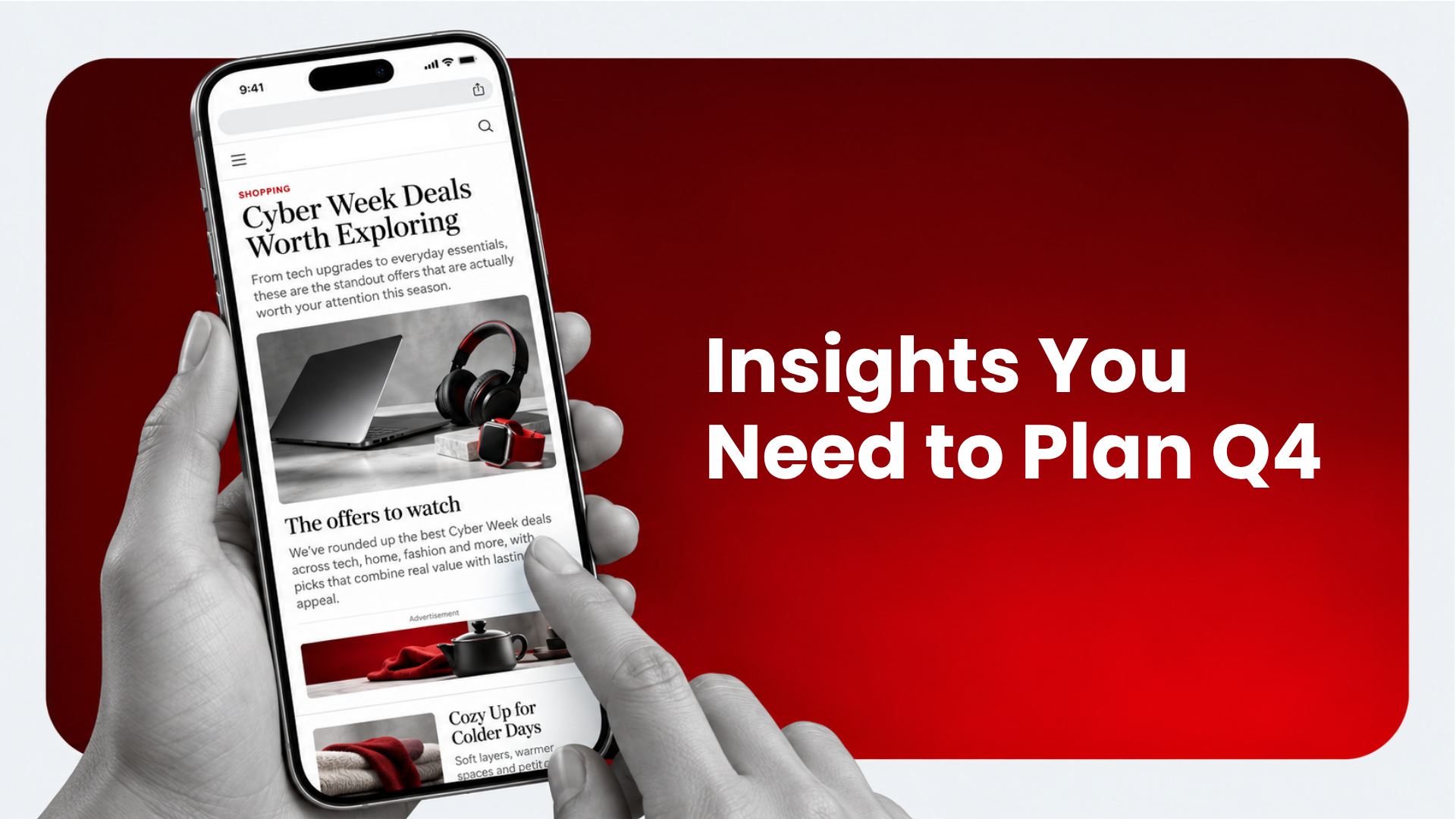
Q4 is a publisher’s biggest revenue window, but AI tools now answer many festive questions before readers ever reach your site. You can’t control what Google or ChatGPT shows. You can control how much each reader who does arrive is worth. This guide shows how to plan Q4 around that idea, starting a month ahead of every peak.
Why is Q4 the biggest revenue window for publishers?
Q4 is no longer a single date on the calendar. It is closer to a nine-week run that starts around Navratri, builds through Dussehra and Karva Chauth, peaks at Diwali, and carries on through Bhai Dooj and the wedding season until after New Year.
Advertiser money follows that pattern. India’s advertising spend is projected to reach ₹1,74,605 crore in 2026, up 12–13% on last year, and digital’s share is rising to 46% from 42%, according to the Pitch Madison Advertising Report 2026 as reported by exchange4media. More readers searching for gift guides, offers, recipes and travel plans, and more advertisers ready to reach them, is the biggest revenue opportunity a publisher gets all year.
What is the AI search shift doing to that opportunity?
The catch is that readers do not always click. In a 2026 field experiment with desktop Chrome users, clicks out to websites fell by 39.8% when Google showed an AI Overview. Ads need visits, so every missed click is a lost ad view, and in Q4 each lost view costs more.
Picture a news site that has always relied on search for its festive guides. This Diwali, an AI summary starts answering the same questions at the top of the results page. The articles are unchanged and advertisers are ready to spend, but readers simply never need to click.
Publishers cannot decide what Google or ChatGPT shows. What they can decide is how much each visit is worth. The plan has to change from “get more visits” to “earn more from each visit.”
How can AVA help publishers earn more from each Q4 visit?
AI tools win clicks because they answer questions instantly. AVA, VDO.AI’s conversational AI assistant, brings that same convenience onto your own pages. It answers readers’ questions from your own content library and surfaces relevant stories from your site, so a reader who lands on a festive guide can keep exploring instead of going back to a search page.
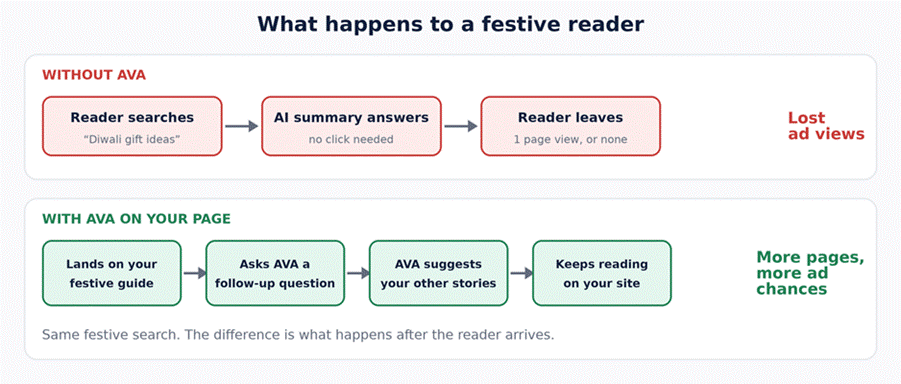
In a season when advertiser demand is at its highest, keeping readers on the page longer is the first step to earning more from them. The more pages a reader views in a visit, the more chances there are to reach them with an ad.
What else can VDO.AI do for your Q4?
AVA is one of several ways VDO.AI helps publishers earn more from each visit. You can also look at:
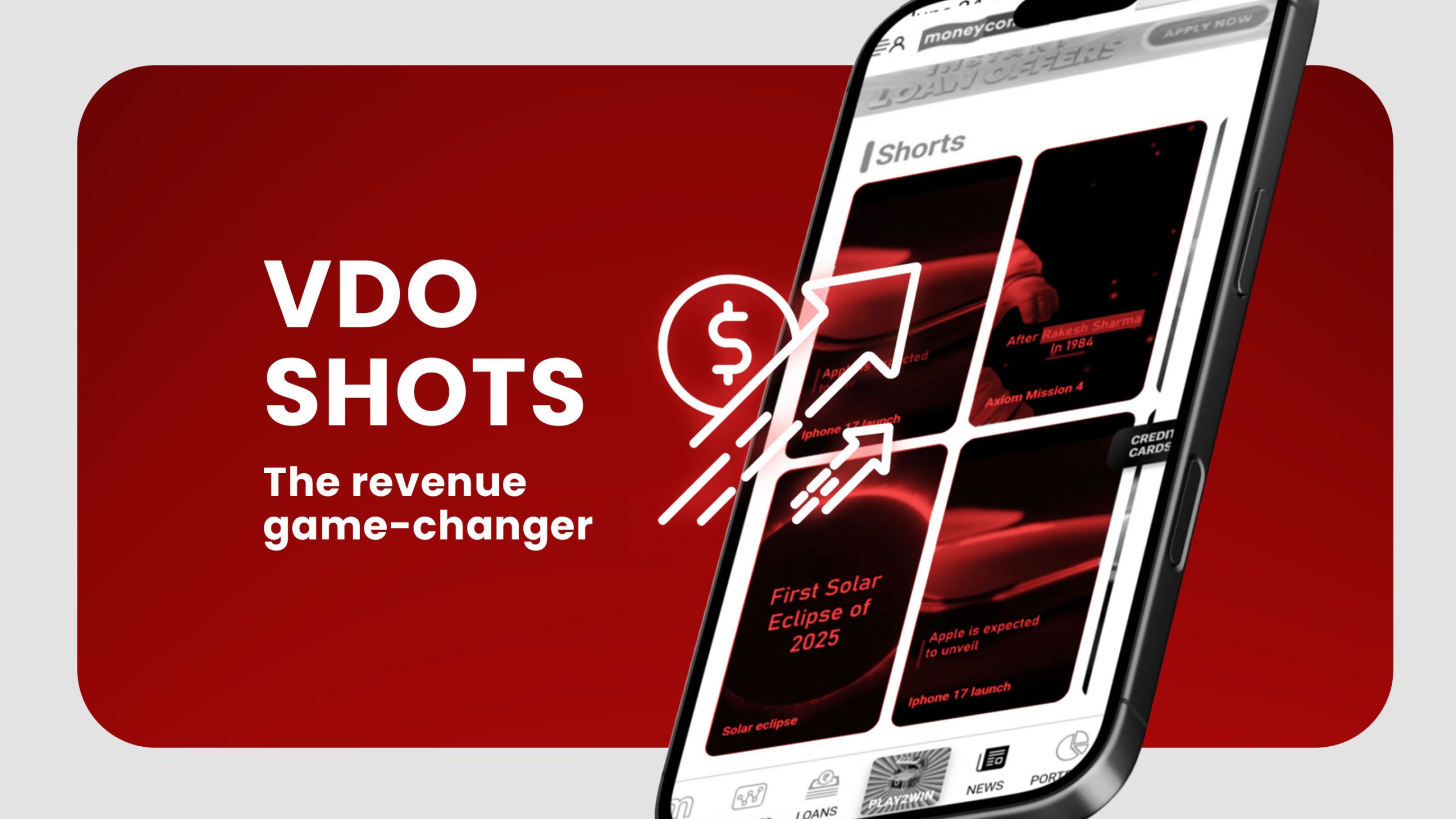
- VDO Shots. Swipeable short-form video that brings social-style viewing to your pages, helping lift time on page and opening up video-first monetization.
- VDO TBoost. Contextual AI that recommends relevant stories from your site, to lift click-through, pageviews and time on site.
- VDO Ticker. Scrollable text overlays with editorial or sponsored headlines that send readers deeper into your site and add monetization without disrupting the experience.
- Native Video. Video placed inside your article and feed, in the flow of the content, so it reads as part of the page.
Your Q4 countdown: what to do before every peak
Advertisers plan early too. According to Sensor Tower, brands in India start raising digital ad spend as early as July and speed up sharply through October, so the work has to start early. Plan for the whole of Q4, not one festival, and work backwards from each peak in the calendar:
- Four weeks before: publish your festive guides and have AVA live on them.
- Two weeks before: refresh the guides with current offers, check how readers are using AVA, and review your ad setup for the busiest days.
- Peak week: update daily, watch engagement, and make sure every visit has the chance to turn into more than one page view.
- After the peak: look at what worked and carry it into the next moment, whether that is Bhai Dooj, wedding season or New Year.
AI search will keep changing how much traffic reaches you, and that part is out of your hands. How much each reader is worth is not. In a season of record advertiser demand, that is where Q4 revenue is won.
Frequently Asked Questions
Q: How do I know if the AI search shift is hurting my site?
A: Compare your search clicks and pageviews month over month in your analytics tool and in Google Search Console. If impressions hold steady while clicks fall, AI answers may be taking some of your readers. Start by checking your most popular festive guides.
Q: Which Q4 content should I prepare first?
A: Open your analytics and find the pages that drew the most traffic during last year’s festive season. Those guides are the likeliest to peak again, so refresh them first and add the rest as time allows.
Q: Will a new tool on my pages affect page speed or my ad layout?
A: It can if it is not set up carefully, so test any new tool on a few pages before rolling it out. Compare your page speed scores and ad performance before and after launch, and do it well before your next peak, not during it.
Q: How do I measure whether readers are staying longer?
A: Track pages per session, engaged time and ad viewability on the same pages before and after the change. Compare like for like, such as this Diwali against last Diwali, so seasonal swings do not hide the result.